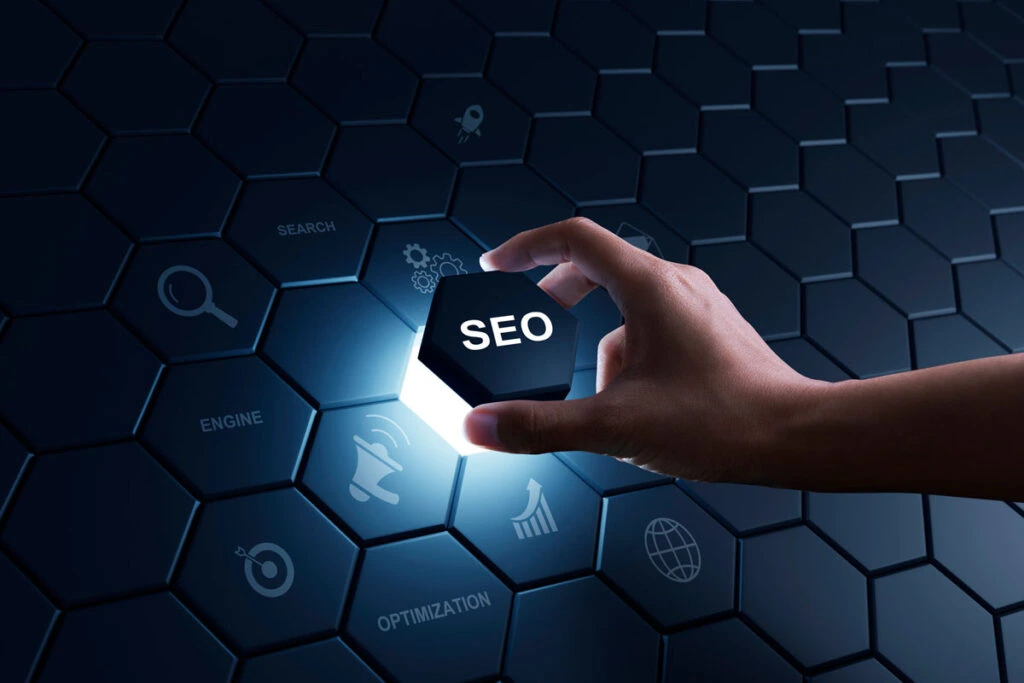
SEO stands for Search Engine Optimization. It is the process of improving a website and its content so that search engines such as Google can understand, rank, and display the website for relevant search queries. SEO is one of the most important parts of digital marketing because it helps businesses attract organic, unpaid traffic from people who are actively searching for products, services, or information.
What Is Search Engine Optimization?
Search Engine Optimization is a digital marketing strategy focused on increasing a website’s visibility in search engine results pages (SERPs). In simple words, SEO helps your website appear higher on Google when people search for something related to your business.
For example, if a person searches for “digital marketing course in Kerala,” a digital marketing institute can use SEO to optimize its website for this keyword. If the SEO strategy is effective, the website may appear on the first page of Google and receive more visitors.
How Does SEO Work?
SEO works by helping search engines understand the quality, relevance, and usefulness of a website. Search engines generally discover and analyze web pages, understand their content, and rank them based on many factors.
A successful SEO strategy usually involves:
Keyword research
Creating useful and relevant content
Optimizing website pages
Improving website speed and mobile usability
Building quality backlinks
Optimizing images and technical elements
Improving user experience
Monitoring rankings and organic traffic
The goal is not simply to add keywords to a webpage. Modern SEO focuses on providing useful content that satisfies the searcher’s intent
Types of SEO in Digital Marketing
There are several important types of SEO in digital marketing.
1. On-Page SEO
On-page SEO refers to optimizing elements that are directly present on a website. This includes title tags, headings, URLs, meta descriptions, keywords, images, internal links, and content.
For example, a blog about “SEO for beginners” can use a clear title, relevant headings, helpful information, and appropriate keywords to improve its on-page SEO.
2. Off-Page SEO
Off-page SEO involves activities performed outside your website to improve its authority and reputation. One of the best-known off-page SEO practices is link building.
3. Technical SEO
Technical SEO focuses on the technical performance of a website. Website speed, mobile-friendliness, crawlability, indexing, structured data, and site architecture are common technical SEO areas.
4. Local SEO
Local SEO helps businesses appear in searches related to a specific location. It is especially useful for restaurants, shops, clinics, agencies, and other local businesses. For example, a business can optimize for searches such as “SEO agency in Kochi” or “digital marketing company in Calicut.”
What Is an SEO Backlink?
An SEO backlink is a link from one website to another website. For example, if a respected website links to your blog, that link is considered a backlink to your website.
Backlinks can help search engines discover pages and can contribute to a website’s authority when they come from relevant and trustworthy sources. However, not every backlink has the same SEO value.
What Is the SEO Value of Backlinks?
The value of a backlink depends on factors such as the relevance and credibility of the linking website, the context of the link, and whether the link is considered useful and natural.
The objective should be to earn high-quality, relevant backlinks, rather than simply collecting a large number of links. Unnatural or manipulative link-building practices can negatively affect a website.
SEO in Digital Marketing With Examples
Consider an online clothing store that sells traditional Kerala clothing. The business could create optimized content around searches such as “Kerala saree online,” “traditional Kerala saree,” and “Kerala ethnic wear.”
By combining keyword research, useful content, technical optimization, internal linking, local SEO, and relevant backlinks, the business can improve its chances of attracting organic visitors.
Another example is a digital marketing agency targeting customers in Kerala. It could create helpful pages targeting relevant searches such as “digital marketing services in Kerala” and “SEO services in Kochi.”
Why Is SEO Important?
SEO is important because it can provide sustainable organic visibility and help businesses reach people who are already interested in their products or services.
Some major benefits include:
Increased organic website traffic
Better online visibility
Improved brand awareness
More relevant visitors
Long-term digital marketing value
Potentially lower dependence on paid advertising
Increased credibility and trust
SEO also supports other digital marketing activities such as content marketing, social media marketing, online advertising, and brand building.
SEO Salary in Digital Marketing
The SEO salary in digital marketing varies depending on experience, skills, location, company, and job responsibilities. A fresher may begin with an entry-level SEO or digital marketing role, while experienced professionals can move into positions such as SEO Specialist, SEO Manager, Content Strategist, or Digital Marketing Manager.
Learning SEO along with skills such as Google Analytics, keyword research, technical SEO, content marketing, and paid advertising can improve career opportunities.
SEO Tools for Digital Marketing
SEO professionals use various tools to research keywords, analyze websites, monitor rankings, identify technical issues, and study competitors. Popular tools include Google Search Console, Google Analytics, Google Keyword Planner, Semrush, Ahrefs, and Screaming Frog.
The best tool depends on the specific SEO task, budget, and level of expertise.
How SEO Fits Into a Digital Marketing Strategy
SEO works best as part of a broader digital marketing strategy. Paid advertising can provide immediate visibility, while SEO focuses on building organic visibility over time. Content marketing creates useful information for users, while SEO helps that content become discoverable through search engines.
For small businesses in India, local SEO can be particularly valuable because it helps them reach customers searching for nearby products and services.
Can You Learn SEO Online?
Yes. SEO can be learned through online courses, tutorials, practical projects, and regular experimentation. Beginners should start with search engine fundamentals, keyword research, on-page SEO, technical SEO, off-page SEO, and analytics.
The most effective way to learn SEO is to combine theory with practice by optimizing a real website or blog and measuring the results.
Conclusion
What is SEO in digital marketing? SEO is the practice of optimizing websites and content to improve their visibility in search engine results and attract relevant organic traffic. It includes on-page SEO, off-page SEO, technical SEO, local SEO, keyword research, content optimization, and link building.
For businesses and digital marketers, SEO can be a powerful long-term strategy for increasing visibility, attracting potential customers, and building an online presence. Whether you are a beginner, business owner, or aspiring digital marketer, understanding SEO is an essential step toward building an effective digital marketing strategy.